

- Capstone by Emma Russell
After Kobe and Gianna Bryant’s passing in 2020, neighborhoods have been turned into memorial archives, with the ordinary walls of storefronts and alleyways covered in purple and gold, with Kobe and his daughter as the centerpiece. However, these same walls are also prime real estate for graffiti artists to vandalize. In a city where nothing lasts forever, many beloved murals have already disappeared, leaving fans wondering how a tribute can vanish in a city that still grieves its beloved basketball star.
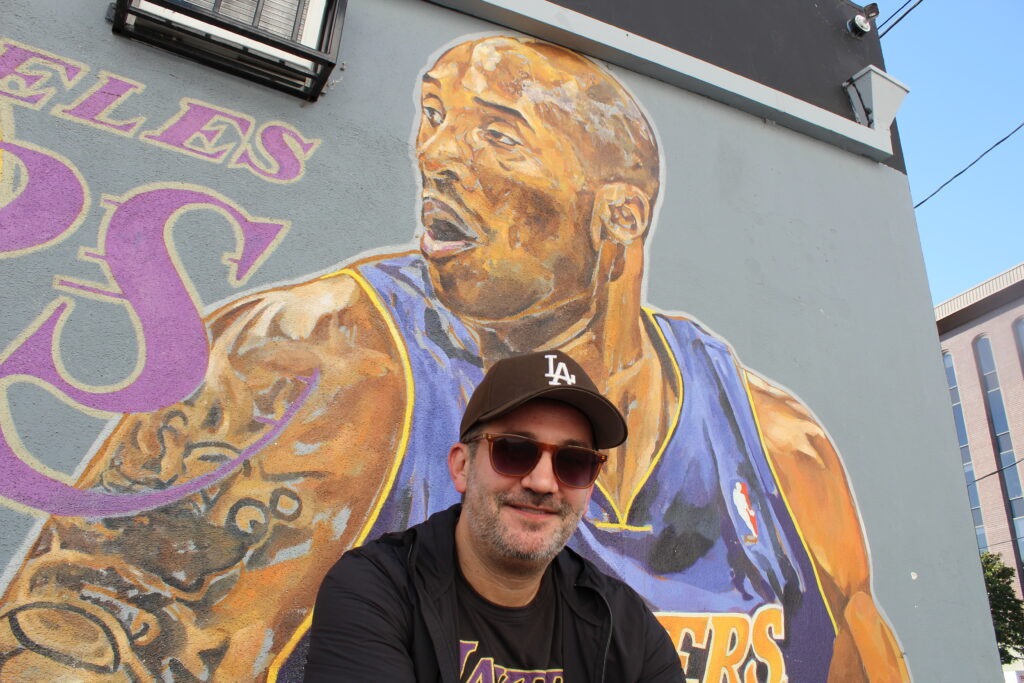
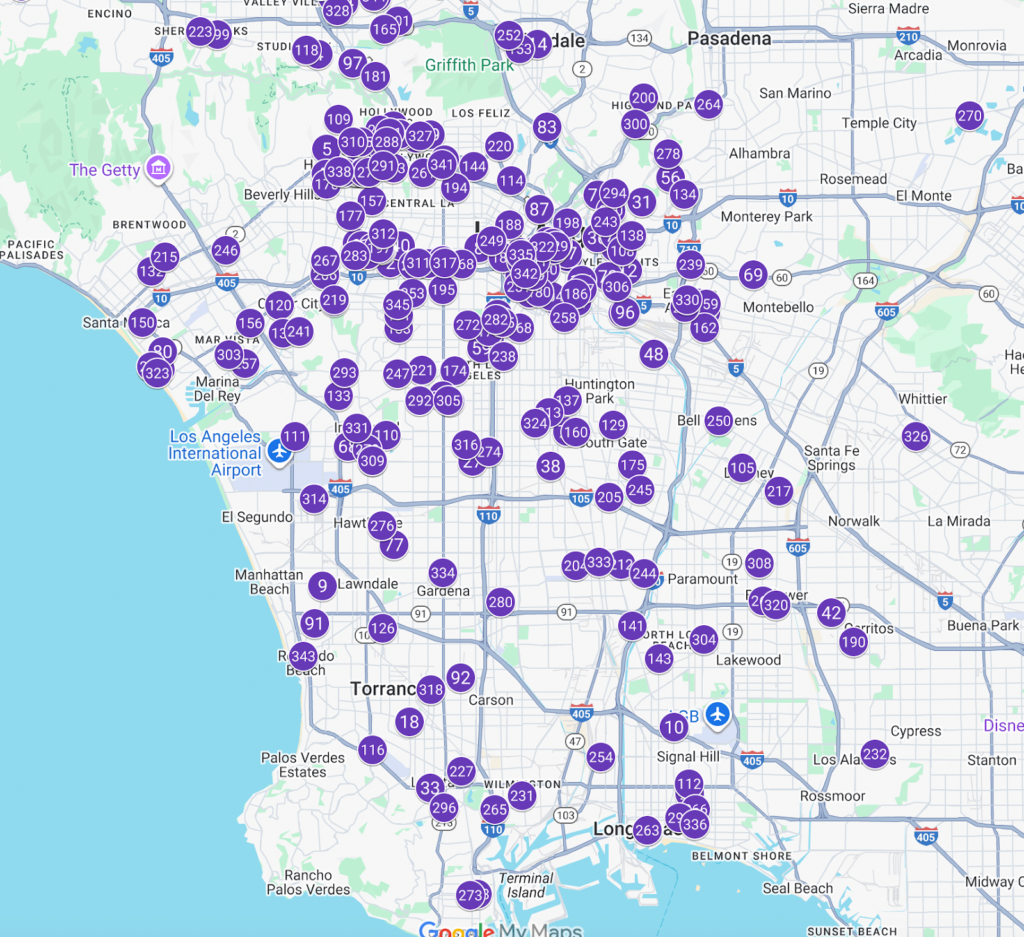
Los Angeles resident and Laker fan Mike Asner founded KobeMural.com in 2020, a website mapping artwork around the world that honors Kobe and Gianna. Asner personally enters the mural information — a photo, the artist, and the location — when he finds them, or when mural artists send them to the KobeMural Instagram page that Asner runs. “I realized people needed a way to find these murals … Especially during the time of the pandemic, where people were in a very tough period of time,” said Asner. “I was getting countless messages in 2020 with people saying, “Hey, thank you for making this easy for me. My family took a day out, and we were able to find what we’re looking for.’”
According to Asner, while some of the murals have stayed intact for years, the selling of buildings and vandalism have resulted in murals being painted over or covered, which is tough for him to see.
“People have a really strong connection with some of this art because they see it daily, going to work, getting a cup of coffee. I think there is a really strong connection, not just with the art, but with the artist,” he said. “People are impacted when these art pieces go away, whether they’re vandalized or they disappear or whatever the case may be.”
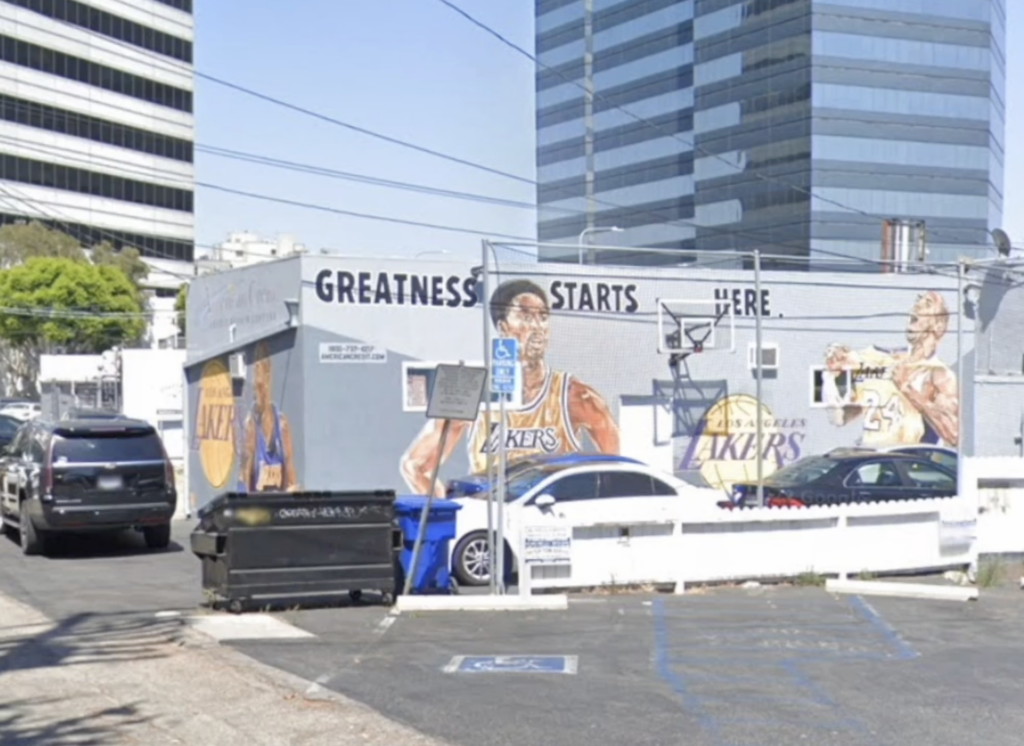
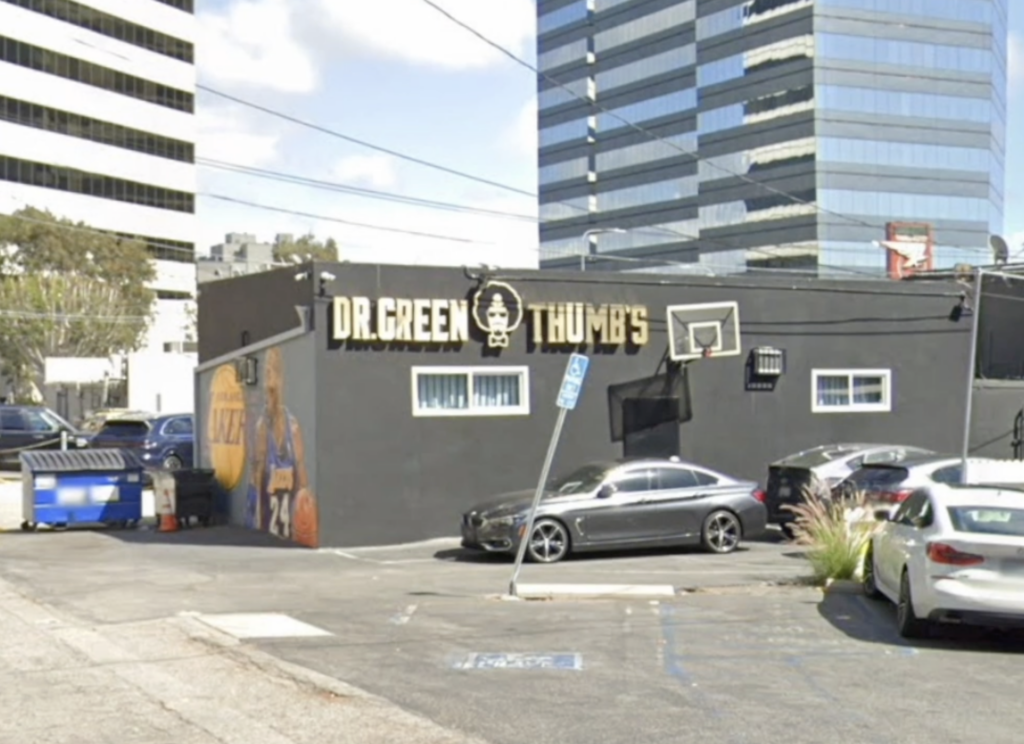
The lifespan of a public mural is never guaranteed. Digital archives like KobeMural.com can save image documentation, but the physical artwork still remains vulnerable to the realities of an ever-changing city. As more murals are damaged, painted over, or removed, the questions grow: What counts as disrespect in street art culture? Who decides what gets preserved?
Louis Palsino, AKA Sloe Motions, AKA Sloe, has spent years painting murals of celebrated Los Angeles figures: Kobe, Nipsey Hustle, Kendrick Lamar, Snoop Dogg, Fernando Valenzuela, Shohei Otani, and most recently, Luka Doncic. His latest piece is of Doncic with Gianna and Kobe in the background; a tribute to the Laker star for donating $5,000 to Sloe’s GoFundMe aimed to restore a mural of Kobe and Gianna on the side of Jimmy Jam T-Shirts that was vandalized. He initially sought donations to help cover the cost of restoring the mural to preserve the spot for the Bryant family.

“This was my thank you to him,” Sloe said of the portrait he completed two months ago.
Having spent most of his life painting in the streets of LA, his history as a graffiti writer informs his outlook on vandalism, even when his pieces get tagged. He understands the unspoken rules of the streets. However, the Byrant tributes feel different.
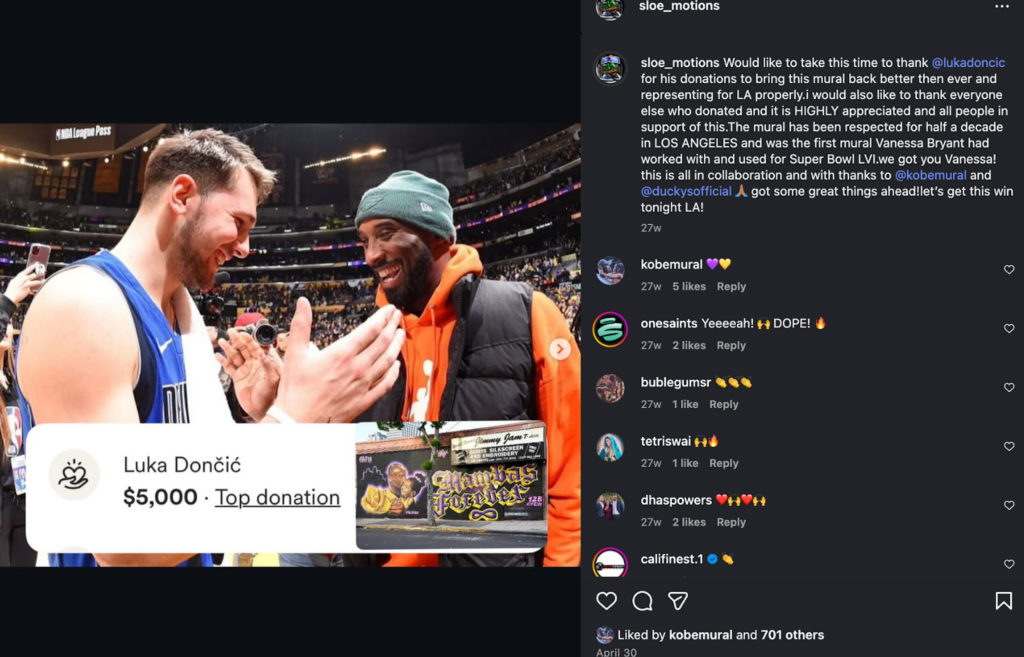
Sloe doesn’t mourn every piece that gets painted over: “Nothing lasts forever, especially when it’s in the public eye. Coming from the graffiti aspect, it happens, it’s no biggie,” said Sloe. But when vandals defaced his tribute to the Bryants, he draws a line: “You’re looking at somebody’s family members who have passed on. That’s not right. That’s disrespectful.”
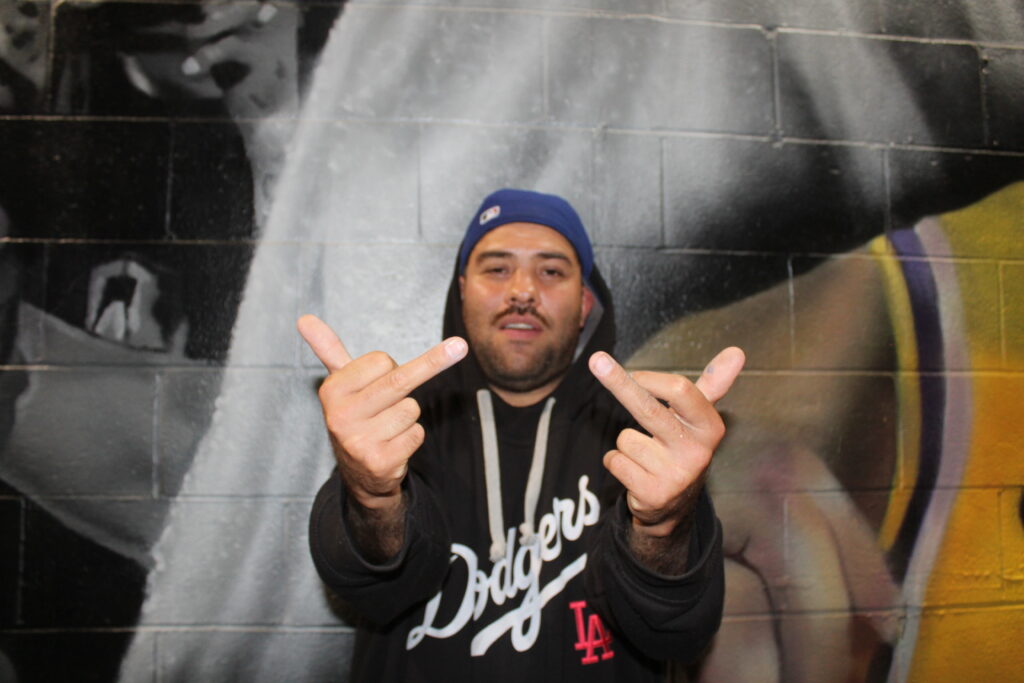
His grief is for Vanessa Bryant and her three remaining children, first and foremost. But that doesn’t mean his work is solely driven by charity. Like other professional muralists, he does receive compensation for some projects. Because of his high-profile status, he can receive up to $8,000 depending on the size and complexity, says Sloe. Some other murals he takes on simply because he believes they should exist.
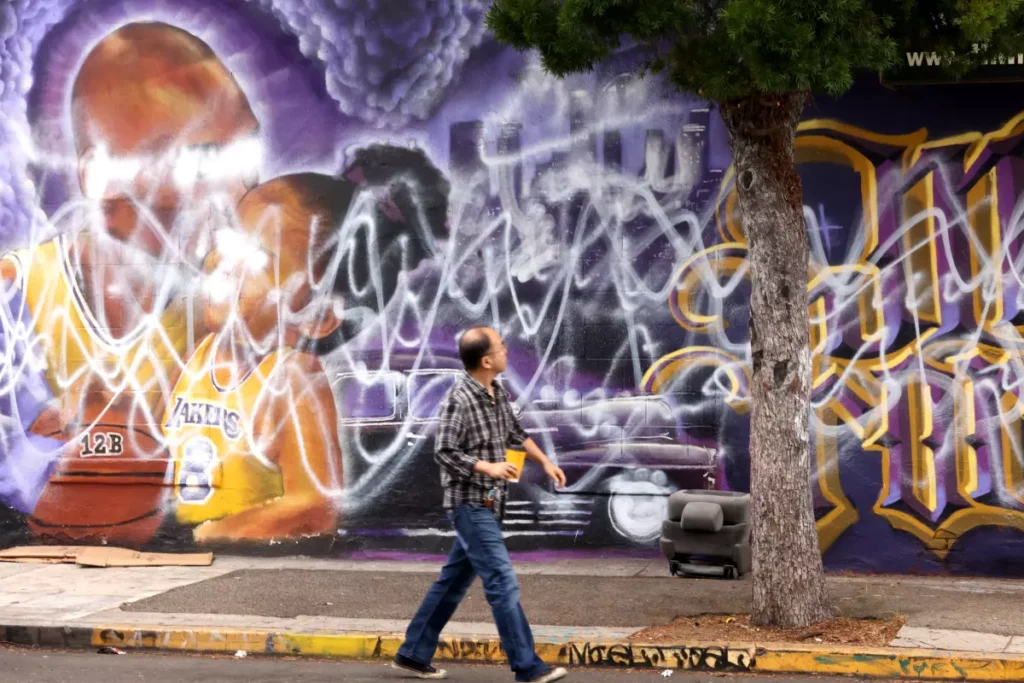
When his Byrant tribute was defaced, he returned to restore it with Doncic’s $5,000 donartion not as a business transaction, but to protect the collective memory Lakers fans have of Kobe Bryant.
Jimmy Jam T-Shirts, a small downtown family print shop that has been in business for more than 30 years, experienced vandalism first-hand. Sales executive and co-owner James Ewing, whose father founded the shop, was proud of the bright and colorful tribute painted on the building’s side: a photo-realistic Kobe cradling baby Gianna, surrounded by vibrant purple and gold, framed in white clouds. That pride faded when the piece was spray-painted over, twice.
“He’s historic, he’s an icon, and he’s a legend. Anybody would want the legend to be on our wall,” said Ewing.
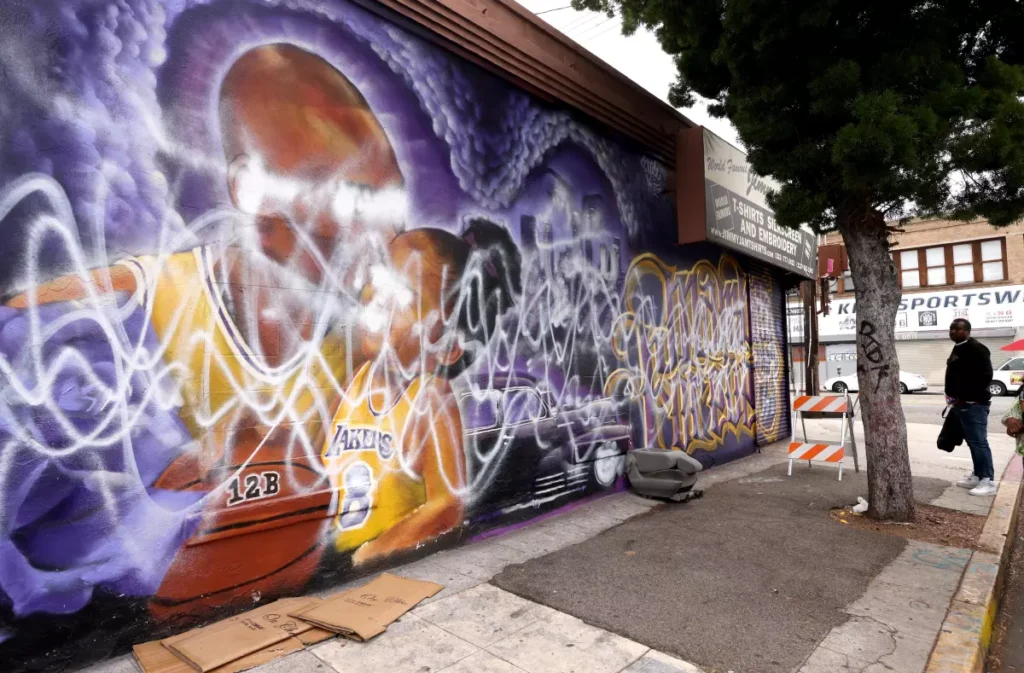
The mural’s bold gothic lettering read “Mambas Forever” and was painted by Sloe. The storefront became a gathering place for fans just blocks away from Crypto.com Arena. After the original mural was vandalized with illegible squiggles of white spray-paint, Jimmy Jam learned of Luka Doncic’s $5000 donation on social media, and Ewing was grateful. Then, when the artwork was hit less than a month later, the destruction felt personal.
“[Sloe] just came and rebuilt it… and it didn’t even last a month,” Ewing said. “Right now, I feel abandoned a little bit. I just hope and pray they [repaint] and we can get some security, or maybe surveillance on it.”

Ewing tried to make sense of this. “Maybe they didn’t like Kobe, or didn’t like the daughter,” he said. “Maybe they’re taking their anger out… downtown LA has a lot of people homeless, people off drugs. That could contribute too.”
The purple color from Sloe’s mural still lingers near the top of the wall behind the black paint. “I don’t think [Kobe murals] are meant to fade. I believe that 20 years from now, people will still be thinking about some Kobe Bryant murals,” said Ewing.
77-year-old Joe Connolly, AKA “The Graffiti Guerilla,” has spent the last 35 years embedded in Los Angeles’ graffiti world.
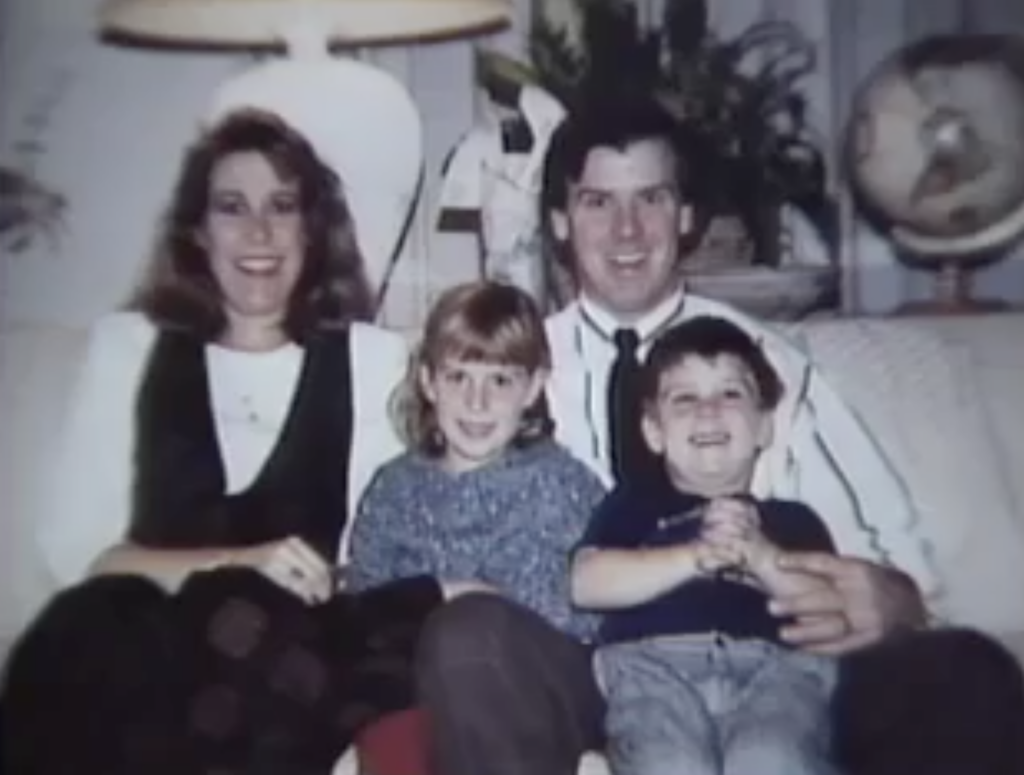
The former wholesale carpet salesman started as an outsider, initially rejected by kids whom he approached curiously. However, he earned their trust over months of convincing them to show him the ropes. “They showed me how they stole paint, where they went to school, how they met people, and how the writing means something,” said Connolly.
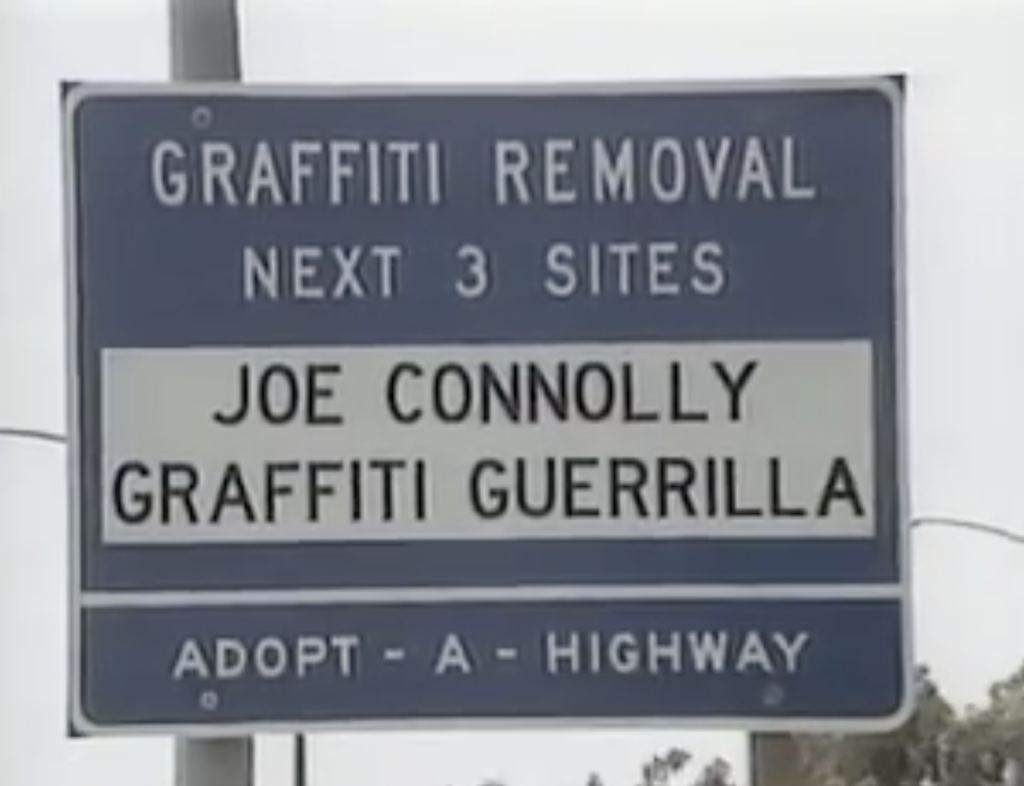
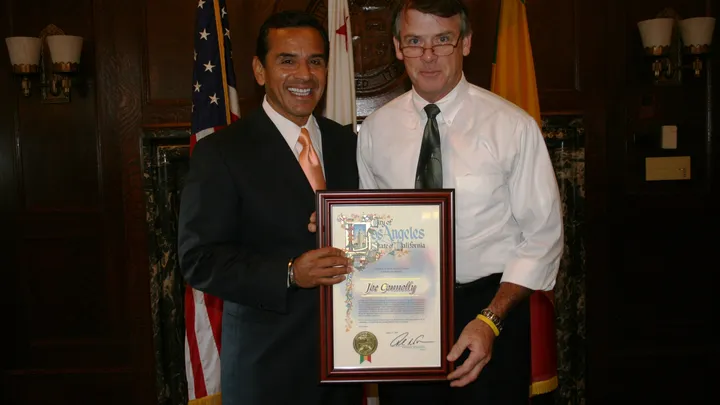
After befriending the young graffiti writers, he began studying and addressing street tagging at City Council meetings and schools, and meeting young gang members. He then adopted a segment of the Santa Monica Freeway through “Adopt-A-Highway, where he would spend hours in an orange vest and hard hat removing graffiti. Then, he decided to comment on graffiti culture through his own paradoxical piece.
Connolly created his own message. He describes it as “anti-graffiti graffiti.”
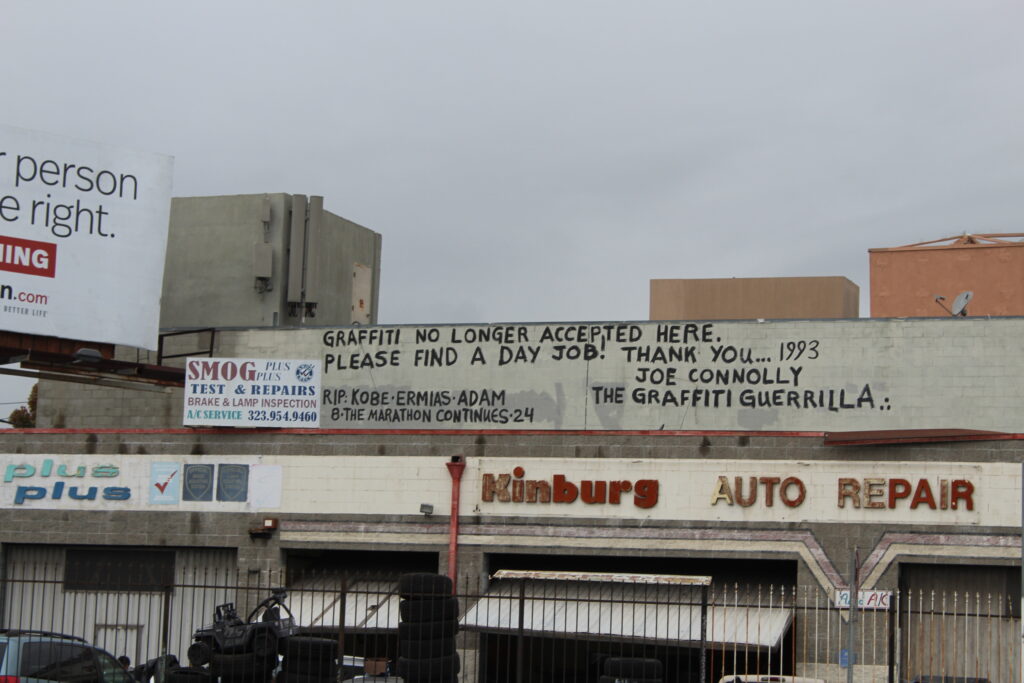
His piece reads the words, “GRAFFITI NO LONGER ACCEPTED HERE. PLEASE FIND A DAY JOB! THANK YOU… 1993, JOE CONNOLLY, THE GRAFFITI GUERRILLA. RIP KOBE, ERMIAS, ADAM. 8 – THE MARATHON CONTINUES – 24,” Ermias being Nipsey Hustle, and Adam being Connolly’s son, who he lost in a tragic accident. The piece has been on the corner of Pico Boulevard and Fairfax Avenue since 1993.
The intersection where his sign sits used to be “ground zero for graffiti,” so he expected his message to be an open invitation for someone to tag over it, but his sign has “never been tagged. Never.” The reason being that Connolly took the time to learn the codes, and now he is widely respected among writers in the area. The sign is somewhat of an “inside joke” for the people who know him as someone who did the work to understand the art. The culture claims Connolly as one of their own.
Connolly notes that public murals dedicated to Kobe Bryant, among other figures, are vulnerable to tagging and erasure. “You have to remember, this is a business that runs on chaos, complete chaos. [Vandals] need to have that,” said Connolly. “They’re addicted, they’ll never stop.”
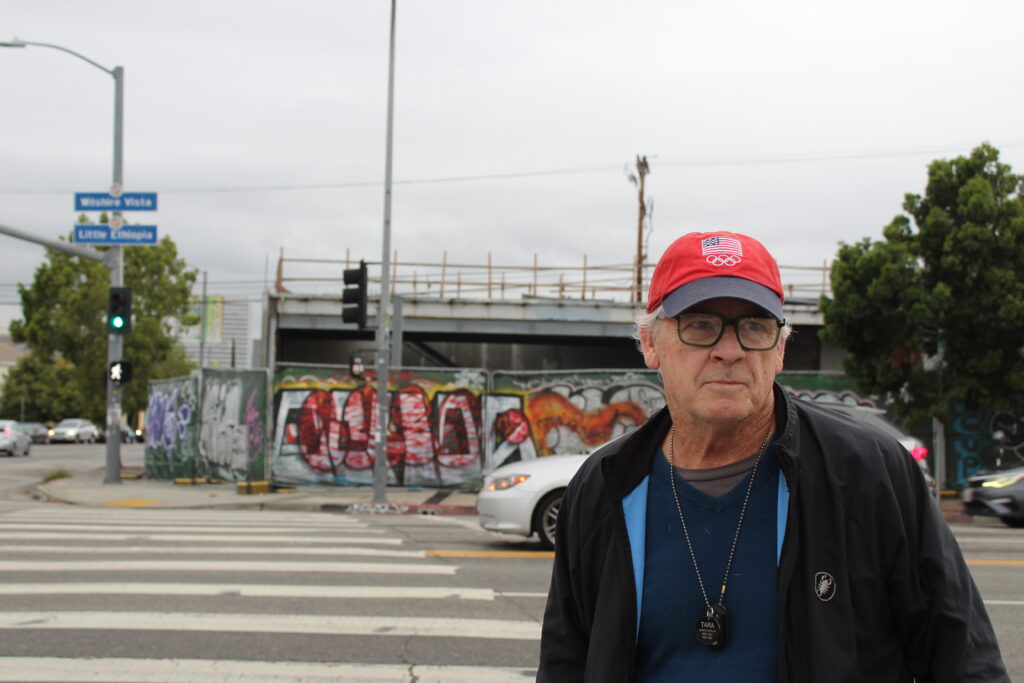
There’s no universal system for preservation, other than digitized photography, though he supports the idea of preserving these murals through protective coatings you can buy at your local Lowe’s. That way, “when [the mural] does get hit up, [artists] can just erase all the stuff that’s on it,” he said. “Would it stop [tagging] from happening? No.” Art preservation organizations that document artists and locations, such as KobeMural.com, exist for this purpose, but he questions how many documented murals actually remain today.

Connolly asserts that the graffiti, damage, and removal of Kobe murals are upsetting, but the only people who decide what murals get preserved are the people who tag, damage, or remove them. “Should Kobe murals be protected? Answer, overwhelmingly yes. I don’t think anybody, if they were honest, would tell you that they’re happy about [damage]. But, know that it’s part of the game. It’s just part of the game.”